
Top WordPress Backup Solutions for 2026: Stay Secure
The Best WordPress Backup Solutions for 2026
Backing up your WordPress site is like having an umbrella on a rainy day. In this guide, you’ll learn the top ways to keep your site safe. We’ll cover easy tools and tips to make sure your hard work stays protected. Whether you’re new to WordPress or just need a refresher, this guide will help you find the best backup solution in 2026. Stay worry-free and keep your site secure!
Disclosure: This article contains This is an affiliate link. We may earn a commission at no cost to you.
affiliate links. We may earn a commission at no extra cost to you.
Introduction
We recommend trying NordVPN. Get NordVPN.
Backing up your WordPress site is very important. It keeps your hard work safe. If things go wrong, you won’t lose everything. In this guide, you’ll learn how to back up your site in 2026.
For best results, consider Cloudways. Try Cloudways.
We’ll cover different backup methods and tools. You’ll find out which ones are best for you. For example, some tools let you back up every day, while others do it every week. You’ll also see how to check if your backup works.
Before you start, make sure you know how to log in to your WordPress site. You’ll also need a bit of time—about an hour. This guide will help you pick the right tools and make a backup plan. Don’t worry; it’s easier than it sounds.
By the end, you’ll feel like an expert. You’ll know how to keep your site safe. Plus, you’ll be ready for any problems that come your way. So, let’s get started and make sure your WordPress site is always protected.
What You Need

To keep your WordPress site safe, you’ll need some tools and accounts. Here’s what to gather before you start:
-
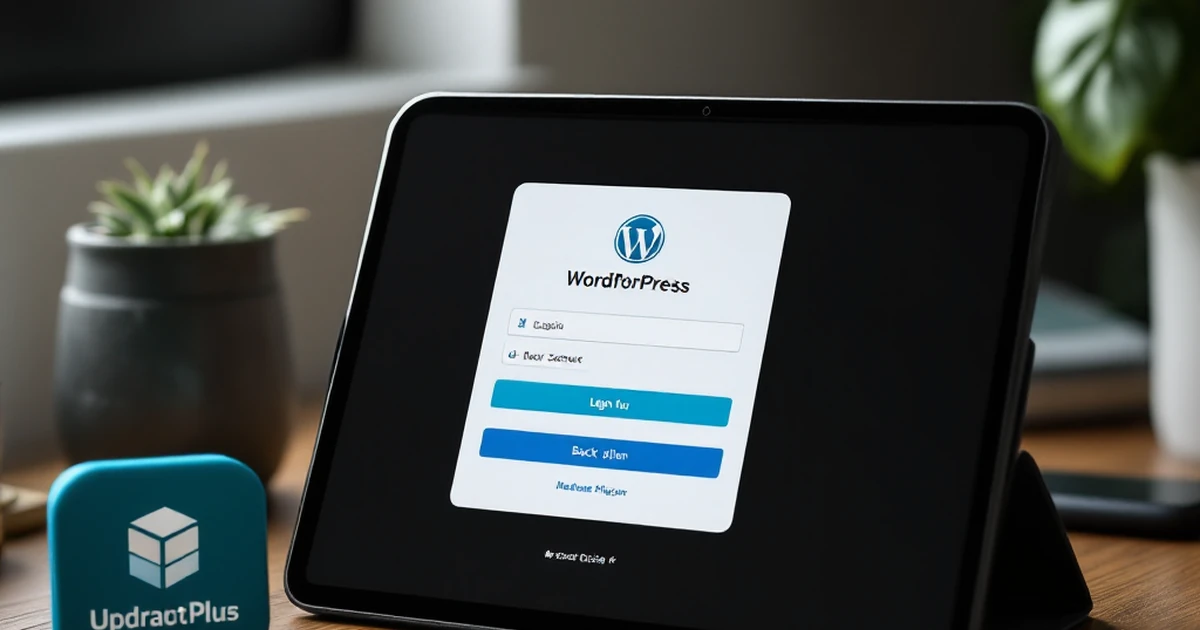
Backup Plugin: Try using plugins like UpdraftPlus or Jetpack. They offer free and paid plans. UpdraftPlus, for example, has over 3 million installs.
-
Cloud Storage Account: You’ll need a place to store backups. Google Drive or Dropbox work well. They offer free storage, but you might want to upgrade for more space.
-
Hosting Account: Make sure your hosting service allows backups. Some hosts, like Bluehost, offer built-in backup features.
-
Email Account: It’s important to get notifications. Use your email to stay updated on backup success or issues.
Having these ready will make your backup process smooth. Remember, keeping your site backed up helps protect against data loss. So, check your tools and get started today!
Step-by-Step Guide
1. Choose Your Backup Plugin
First, you need to pick the right backup plugin for your WordPress site. There are many options, but some popular ones are UpdraftPlus and BackWPup.
UpdraftPlus has over 3 million active installs, showing it’s a trusted choice. BackWPup is also a good option, with features like automatic backups and cloud storage.
Think about what features you need. Do you want daily backups? Do you need cloud storage? Once you’ve decided, download and install the plugin.
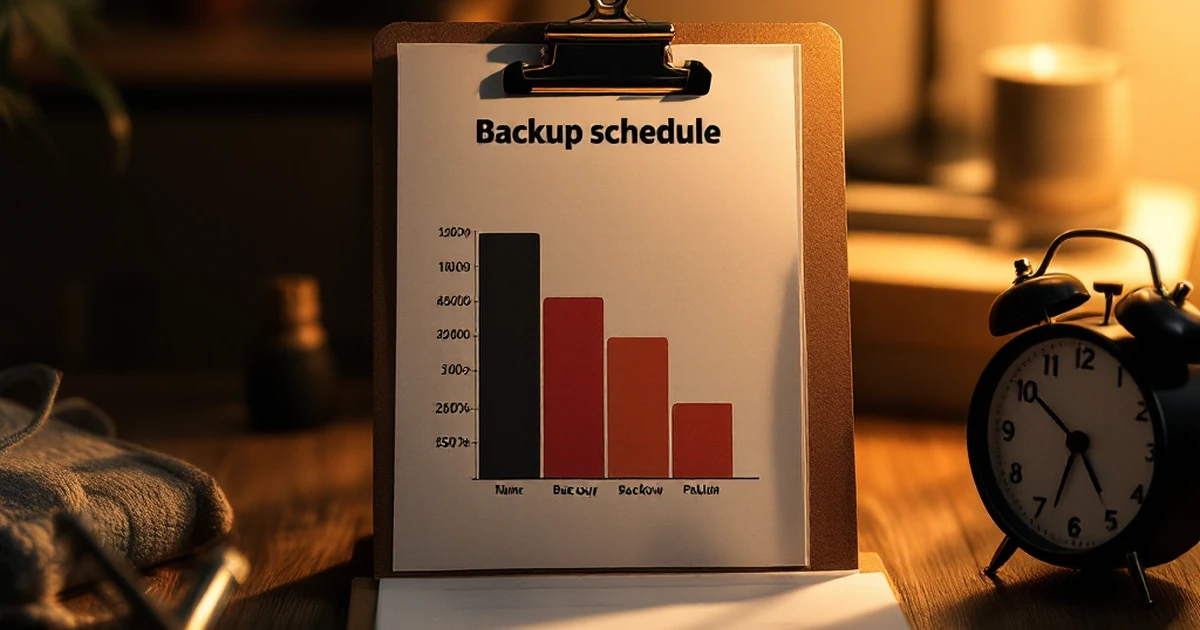
2. Set Up Your Backup Schedule
After installing the plugin, it’s time to set up your backup schedule. Regular backups are important. They keep your data safe.
If you’re using UpdraftPlus, go to the “Settings” tab. Choose how often you want backups. Weekly is a good start, but daily is even better.
Make sure your schedule fits your site’s needs. If you update your site often, consider more frequent backups.
3. Select What to Back Up
Next, decide what parts of your site you want to back up. You can back up your database, files, or both.
Backing up the database saves all your posts and comments. Backing up files saves your theme and plugins.
It’s best to back up everything. That way, you’re covered if something goes wrong. Most plugins let you choose what to back up in their settings.
4. Choose Your Backup Location
Now, pick where you want to store your backups. Cloud storage options like Google Drive or Dropbox are popular.
Storing backups online keeps them safe from local issues. If your computer crashes, your backups are still safe in the cloud.
In UpdraftPlus, you can link your cloud account in the “Settings” tab. Make sure your cloud account has enough space.
5. Run Your First Backup
It’s time to do your first backup. Go to your plugin’s dashboard and find the “Backup Now” button.
Click it to start the backup process. This might take a few minutes, depending on your site’s size.
Many professionals trust Equalize Digital Accessibility Checker for wordpress accessibility checker plugin with detailed reporting. Try Equalize Digital.
Once it’s done, you’ll see a message saying the backup was successful. Check to make sure everything looks right.
6. Test Your Backup
Testing your backup is an important step. It ensures your data is safe and can be restored if needed.
Try restoring a backup on a test site. This will show you if everything works. If something doesn’t look right, check your settings and try again.
It’s better to find out now than during an emergency.
7. Update Your Plugin Regularly
Keep your backup plugin up to date. Plugin updates fix bugs and add new features.
Go to your WordPress dashboard and check for updates often. If there’s an update, click “Update Now.”
Regular updates help keep your site secure and your backups running smoothly.
8. Monitor Your Backups
Make sure your backups are working as planned. Check your backup logs regularly.
This helps you see if there are any issues. If you notice failed backups, investigate why.
Keeping an eye on your backups ensures they’re there when you need them.
9. Plan for Extra Storage
As your site grows, your backup files will too. Plan for extra storage space.
Check how much space your backups take up. If you’re running low, consider upgrading your cloud storage plan.
Having enough space keeps your backups complete and safe.
10. Stay Informed
Finally, stay informed about WordPress and backup news. Join forums or follow blogs to learn more.
Knowing about new tools and tips can help improve your backup process.
Staying informed keeps you ahead of potential problems and helps protect your site.
Troubleshooting
Sometimes backups don’t work as planned. Don’t worry, we’re here to help you fix common problems.
One issue is backups failing to complete. This can happen if there’s not enough space. Check your storage to see if it’s full. If needed, clear some space or upgrade to a bigger plan.
Another problem is slow backup speed. If it’s taking too long, try checking your internet connection. A weak signal can slow things down. Also, running backups during high-traffic times can cause delays. Try scheduling them for late at night or early morning when there’s less traffic.
Sometimes, you can’t find your backup files. Make sure you’re looking in the right folder. Backups often save to a default location. Check your settings to see where yours are stored. If they’re missing, try a new backup to ensure everything’s saved correctly.
Plugins can also cause trouble. If a backup plugin isn’t working, check for updates. Outdated plugins can have bugs. Update to the latest version to fix issues. If it still doesn’t work, consider trying a different plugin with good reviews.
Errors can pop up during backup. These often have error codes like “404” or “500.” Search online for these codes to find solutions. Many sites have guides to help you fix these errors.
If you’ve tried everything and still face problems, reach out for help. Many backup services offer customer support. They can guide you through tough spots. You can also join online forums where others share their tips and tricks. Remember, it’s important to keep your site safe, so don’t hesitate to ask for help.
Conclusion
Backing up your WordPress site is a must. It keeps your data safe from loss. We’ve explored different backup tools, like UpdraftPlus and Jetpack. Each tool has its own features and benefits.
Now, it’s time for action. Choose a backup tool that fits your needs. Try a free version first if you’re unsure. Look for one that saves your data daily and has an easy restore option.
For more help, check out links to guides and forums. They can offer tips and tricks. Remember, a good backup plan means peace of mind. Don’t wait until it’s too late. Start backing up your site today.
Affiliate Disclosure: This article contains affiliate links. If you make a purchase through these links, we may earn a commission at no additional cost to you. We only recommend products and services we believe will add value to our readers.
Content Notice: This article was created with AI assistance and reviewed by our editorial team for accuracy, quality, and compliance. We use AI to help research and structure content, but all recommendations are based on thorough evaluation.