How to Choose Managed WordPress Hosting in 2025
How to Pick the Best Managed WordPress Hosting in 2025
Choosing the right host is key for a fast, secure website. This guide will help you understand the most important features for 2025. You’ll learn how to match a hosting plan to your site’s specific needs and budget.
Disclosure: This article contains This is an affiliate link. We may earn a commission at no cost to you.
affiliate links. We may earn a commission at no extra cost to you.
Introduction
If you’re looking for a reliable solution, Kinsta (Google Cloud-powered WordPress hosting with 99.9% uptime guarantee.). Get Premium Hosting with Kinsta.
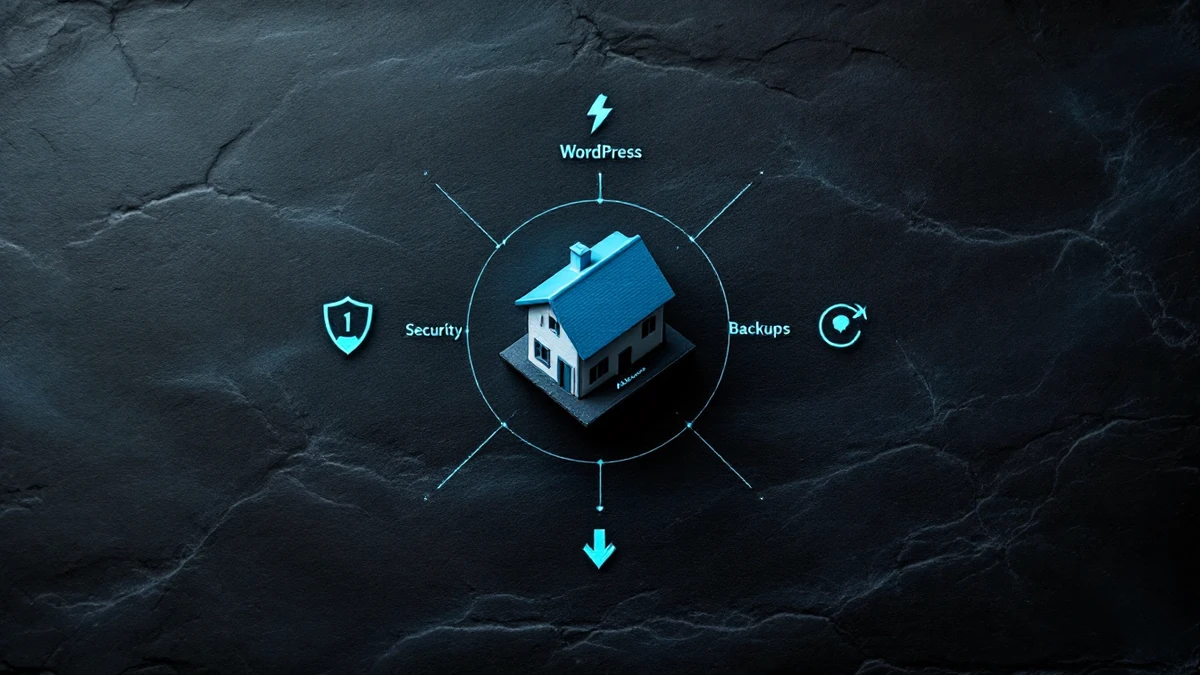
So, you want to launch a WordPress website. That’s a great first step! But your site needs a home on the internet, and that’s where hosting comes in. Think of it like renting a plot of land to build your house.
For best results, consider SiteGround – Reliable hosting with 24/7 support. Recommended by WordPress.org.. Get SiteGround Hosting.
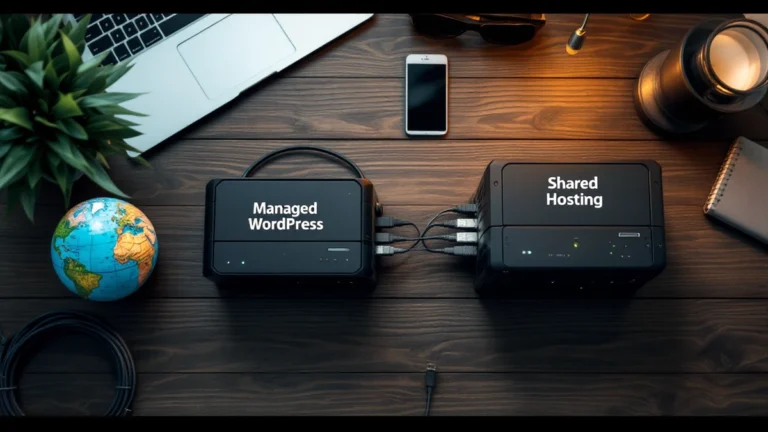
Managed WordPress hosting is a special type of service. The hosting company handles the technical work for you. They take care of updates, security, and speed. This lets you focus on your content and design.
Choosing the right host is a very important decision. A good one makes your site fast and safe. A poor choice can lead to crashes and headaches. This guide will help you pick the best option for your needs and budget.
You’ll learn how to check for key features like speed tests and backup plans. We’ll compare real prices and show you what to avoid. You don’t need to be a tech expert to make a smart choice.
By the end, you’ll know exactly what to look for. You can finish your research in about an hour. Let’s find the perfect home for your new website.
What You Need

Before you start looking at hosting companies, you should gather a few things. This will make your choice much easier and faster.
Your Website’s Details
You need to know your site’s current size and traffic. Check your stats for the last few months. Look for your average monthly visitors and how much space your files use.
For example, does your site get 5,000 visits or 50,000 visits per month? This info is very important. It tells you what kind of hosting plan you should look for.
A Budget in Mind
Managed hosting costs more than basic plans. You should decide what you can spend each month or year.
Good plans often start around $25 to $40 per month. Have a clear number ready so you can filter your options quickly.
A Testing Mindset
Most hosts offer a money-back trial period, like 30 or 60 days. Be ready to try a service yourself. You can test speed and see the customer support in action.
This hands-on check is the best way to know if a host is right for you.
Step-by-Step Guide
Choosing a host can feel tough. Just follow these steps one by one. You will find the right fit for your site.
This guide breaks it all down. We will go from your first thought to signing up. Let’s get your site the home it deserves.
Step 1: Know Your Site’s Needs
First, think about your own website. What is it for? A small blog has different needs than a big online store. Be honest about what you need now.
Write down three key things. List your monthly visitors, your budget, and any special features. For example, do you need to sell products or book appointments? Knowing this saves you time later.
You might get 500 visitors a month now. Plan for what you want in a year, like 5,000 visitors. This helps you pick a plan that can grow with you. Don’t pay for power you will never use.
Step 2: Set Your Budget
Your budget is a key part of the choice. Managed hosting costs more than basic shared hosting. You often get what you pay for in quality and help.
Prices can range from about $20 to over $100 per month. Look at the cost for a full year. Many companies offer a lower price for your first term only.
Remember to check renewal prices. A plan might be $25 a month at first. It could jump to $45 a month when you renew. Factor this into your long-term plan.
Step 3: Research and Make a Shortlist
Now, start looking at real companies. Use the needs and budget from your first two steps. This will filter out many options right away.
Search for “best managed WordPress hosting 2025” online. Read articles from trusted tech sites. Look for recent reviews, as things change fast in this industry.
Make a list of three to five companies that seem good. Good names to start with are WP Engine, Kinsta, and Flywheel. Also, look at hosts like SiteGround and Nexcess. Your shortlist is your target group.
Step 4: Compare Core Features
Take your shortlist and compare them side-by-side. Focus on the most important features first. This is where you see the real differences.
Look at storage space, visitor limits, and backup rules. Does one offer 10GB of storage while another offers 20GB? Check how often they save a backup of your site—daily is best.
Also, check for a free SSL certificate and a content delivery network (CDN). These are must-haves for security and speed. A free domain name for the first year is a nice bonus too.
Step 5: Test Their Speed and Performance
Speed is everything for your visitors. A slow site makes people leave. See what each host promises for performance.
Look for features like built-in caching and the latest PHP versions. Ask if they use fast servers like Google Cloud or AWS. These technologies make sites load much faster.
You can also test them yourself. Many review sites show speed test results. A host that loads a site in under one second is doing great. Speed affects your search engine ranking too.
Step 6: Check Security and Backup Policies
Get Premium Hosting with Kinsta
Your site’s safety cannot be an afterthought. Managed hosts should handle the big security tasks for you. This is a major reason to choose them.
Many professionals trust Cloudways for this task. Try Cloudways.
See if they offer a web application firewall (WAF) and malware scanning. Find out who fixes your site if it gets hacked. The best hosts will fix it for free.
Understand their backup system. Can you restore your site with one click? Make sure backups are stored off-site. This means they are safe even if the host’s main system has a problem.
Step 7: Evaluate Customer Support
Great help is there when things go wrong. Test the customer support before you pay. This tells you a lot about a company.
Try their live chat or send a support ticket. Ask a real question like, “Do you help with plugin conflicts?” See how fast and how helpful they are. Good support answers in minutes, not hours.
Check if support is 24/7 and what ways you can reach them. Phone, chat, and email are all good options. Read some user reviews about other people’s support experience.
Step 8: Look for a Money-Back Guarantee
A strong guarantee shows the host trusts its service. It also lets you try things risk-free. This is your safety net.
Most good hosts offer at least a 30-day money-back guarantee. Some even offer 60 or 90 days. Read the fine print to know what it covers.
This period is your time to test everything. Check the speed, the dashboard, and the support. If you are not happy, you can leave and get your money back. It is that simple.
Step 9: Make Your Final Choice
You have all the data. Now it is time to decide. Look back at your notes from each step.
Which company scored best on your top needs? Maybe one had perfect features but poor support. Another might cost less and still hit your main goals. Choose the best overall fit.
Remember, there is no single “best” host for everyone. The best host is the one that meets your needs. Trust the research you have done.
Step 10: Sign Up and Launch
You have made your choice. Now, go to their website and pick your plan. Start with the lowest plan that fits your needs. You can always upgrade later.
Use the money-back guarantee period wisely. Set up a simple test site. Move your real site over or build a new one. Get to know the dashboard and tools.
If you hit a snag, contact their support right away. See if they solve your problem. This final test confirms you made the right choice. Then you can focus on creating great content.
Following these steps takes the guesswork out of picking a host. You will make a smart, informed choice. Your website will be fast, safe, and ready to grow.
Troubleshooting

Even the best hosting can have issues. Don’t panic. Most problems have simple fixes you can try first.
Site is Very Slow
A slow site hurts your visitors. First, check your own internet speed. Use a free tool like GTmetrix.
It gives you a speed score out of 100. A score below 70 means trouble. Clear your site’s cache in your hosting dashboard. This often fixes speed issues fast.
If it’s still slow, contact support. Ask them to check server load. A good host will help you find the problem.
Can’t Log Into WordPress
This is a common login issue. First, clear your web browser’s cache and cookies. Then try again.
If that fails, use your host’s “staging” feature. This is a copy of your site for testing. You can reset your password there.
Still stuck? Your host’s support team can reset it for you. They can do this in under five minutes.
Seeing a White Screen of Death
A blank white screen is scary. It often means a plugin crashed. Your host’s safe mode can help.
Safe mode turns off all plugins. You can then turn them back on one by one. You will find the broken plugin this way.
If safe mode doesn’t work, you need support. Use your host’s 24/7 live chat. They can restore your site from a backup.
Error Establishing a Database Connection
This error means your site can’t talk to its database. It’s a server-level issue. Do not try to fix this yourself.
Contact your hosting support right away. Tell them the exact error message. A professional should fix this in about ten minutes.
Always pick a host with great support. It solves most big problems for you.
Conclusion
You now have a full plan to pick your host. Just match your site’s needs with a company’s features.
For example, if you get 10,000 visits a month, look for plans that handle that traffic. A good plan might cost about $25 per month. It should include a free SSL and daily backups.
Your next step is easy. Try using the checklist from our guide. Compare two or three top options side-by-side.
Check their customer support with a test question. See how fast and helpful they are. This final check makes your choice clear.
Ready to start? Go back to our step-by-step guide if you need a reminder. You can build a fast, secure site with the right partner.
Affiliate Disclosure: This article contains affiliate links. If you make a purchase through these links, we may earn a commission at no additional cost to you. We only recommend products and services we believe will add value to our readers.
Content Notice: This article was created with AI assistance and reviewed by our editorial team for accuracy, quality, and compliance. We use AI to help research and structure content, but all recommendations are based on thorough evaluation.