Best WordPress Themes 2026 for Your Business Site
Find Your Perfect WordPress Business Theme in 2026
Your website’s theme shapes your customer’s first impression. We’ll help you choose a theme that fits your brand and 2026’s trends. You’ll learn what features to look for and common mistakes to avoid.
Disclosure: This article contains This is an affiliate link. We may earn a commission at no cost to you.
affiliate links. We may earn a commission at no extra cost to you.
Introduction
We recommend trying Cloudways. Try Cloudways.
Picking a WordPress theme is a big choice. It’s the look and feel of your whole website. A good theme helps your business grow. A bad one can hurt your sales and annoy your customers.
For best results, consider Equalize Digital Accessibility Checker – WordPress accessibility checker plugin with detailed reporting. Try Equalize Digital.
What You’ll Learn Here
We will walk you through the key steps. You’ll learn how to check a theme’s speed and quality. We’ll also show you how to find themes that work on phones. You’ll see why some free themes can cost you more later.
Why This Matters for Your Business
Your website is your digital storefront. In 2026, customers expect a smooth experience. A professional theme builds trust. A slow or clunky site will make people leave fast.
Before You Start
You should have a clear idea of your business goals. Know what pages you need, like a home page or a contact form. You’ll also need your WordPress login details ready to go.
Time and Tools You Need
Setting aside about two hours is smart. This gives you time to compare a few different options. The main tool you need is your web browser to visit theme shops and read reviews.
What You Need
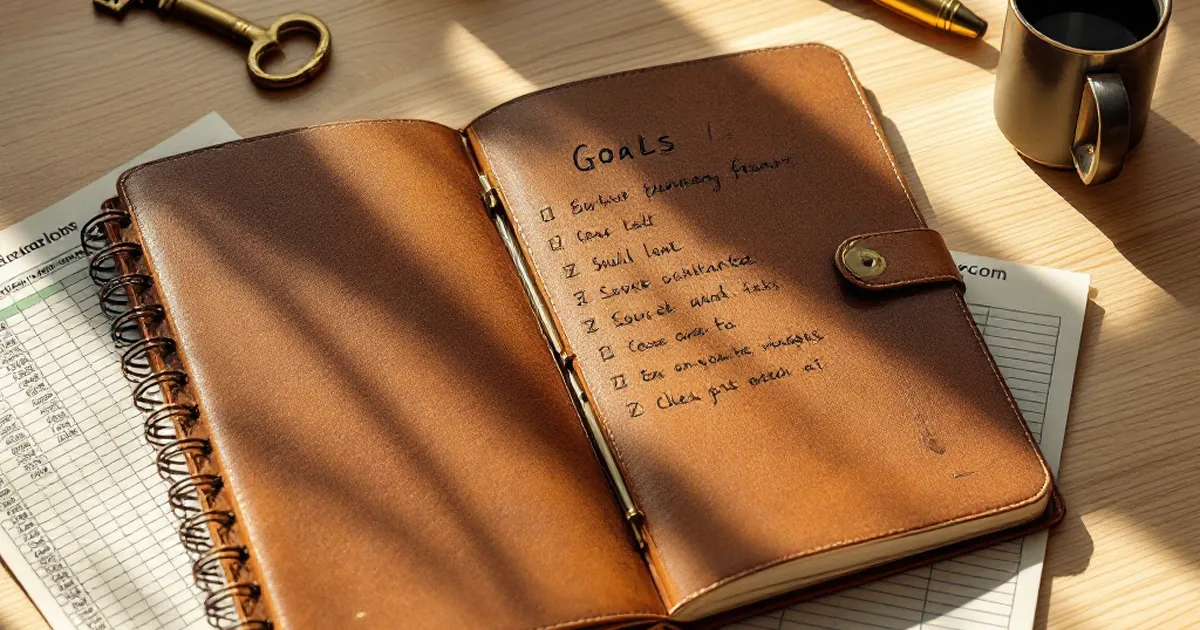
Before you start looking at themes, you should gather a few things. Having these ready will make your search much easier and faster.
Your Business Plan
You need a clear idea of your business goals. Ask yourself: what are you selling, and who is your customer? Write down your top three goals for the website.
A Budget
Themes can cost anywhere from $0 to $100 or more. Decide how much you can spend. Remember, a paid theme often comes with better support and more features.
A Simple List
Make a list of must-have features. Think about what your site absolutely needs to do. For example, do you need a booking calendar or a way to sell 10 different products?
Your Login Info
You’ll need your WordPress admin username and password. If you haven’t set up WordPress yet, you’ll need your web hosting account details to install it first.
Step-by-Step Guide
Now, let’s walk through how to pick your theme. Follow these steps in order. This will make the whole process much easier.
You will end up with a theme that fits your business perfectly. It will look great and work well for your customers.
Step 1: Write Down Your Core Needs
First, grab a notebook or open a document. Write down what your website absolutely must do. Don’t think about colors yet. Think about actions.
For example, does your company need to book appointments online? Maybe you must show a gallery of 50+ photos. Do you sell products and need a shopping cart?
List every important feature. Be as specific as you can. A restaurant’s needs are different from a lawyer’s. This list is your most important tool. It will stop you from picking a pretty theme that can’t do the job.
Step 2: Set Your Budget
Themes can be free or cost up to $300. Know your limit before you start looking. This saves time and stress.
Free themes are great for starting out. Many are very high quality. Premium (paid) themes often offer more direct help and special features. Their average cost is about $60.
Think of this as a business investment. A good theme is worth the money. But never spend more than you planned. There are excellent choices at every price.
Step 3: Search on Trusted Sites
Only get themes from trusted places. The best spot is the official WordPress.org theme directory. All themes there are checked for safety.
For premium themes, go to well-known shops like ThemeForest or Elegant Themes. These companies have strong reputations. They will help you if something goes wrong.
Never download a “free” premium theme from a random blog. These often have hidden bad code. They can break your site or steal data. It’s not worth the risk.
Step 4: Filter by Features & Industry
Use the filters on theme websites. This is where your list from Step 1 helps. You can filter for things like “e-commerce” or “photo gallery.”
Also, look for themes made for your type of business. Search for “restaurant theme” or “consulting theme.” These are designed with your industry in mind.
For example, a theme for a gym might have class schedules built in. A theme for a artist will focus on images. This gives you a big head start.
Step 5: Check for Simplicity & Speed
Open the demo of a theme you like. Ask yourself: Is it easy to find things? Can you read the text quickly? If you get confused, your visitors will too.
Next, check its speed. A slow site will lose customers. Use a free tool like Google PageSpeed Insights. Paste the demo URL into the tool.
Aim for a performance score of 90 or higher. Fast themes keep people happy. They also help your site rank better in Google search.
Many professionals trust Systeme.io for all-in-one marketing platform with funnels, email, and courses. free plan available.. Build Funnels Free with Systeme.io.
Step 6: Make Sure It Works on Phones
More than half of all web traffic is on phones. Your theme must look perfect on every screen size.
When you view the demo, shrink your browser window. Or use your phone to look at it. All menus and buttons should be easy to tap.
Text should not be too small to read. Images should fit the screen. This is called being “responsive.” It is not optional in 2026.
Step 7: Review Support & Updates
Look at the theme’s support page. Are people getting help? How long does it take the author to reply? Good support is a sign of a quality product.
Also, check when the theme was last updated. Themes need updates to stay safe and work with new software. An update within the last 6 months is a good sign.
A theme that hasn’t been updated in two years is a risk. It might stop working soon. Always choose active, supported themes.
Step 8: Test Before You Commit
Most premium themes let you try them before you buy. This is a “demo import.” It loads sample content onto a test version of your site.
Play with it! Try to change the colors and fonts. Add your own pictures and text. See if it’s truly easy to use.
This hands-on test is the best way to know. You might find a small problem that is a big deal for you. It’s better to find out now.
Step 9: Install and Customize
You’ve chosen your theme. Now, install it on your live site. Go to Appearance > Themes in your WordPress menu and click “Add New.”
Upload your theme file and click “Activate.” Then, start your customization. Use the built-in tools (the Customizer) to set your logo, colors, and menus.
Add your own content page by page. Don’t rush this step. A professional site takes time to build. Refer back to your core needs list to stay on track.
Step 10: Launch and Get Feedback
Your site is ready! Before you tell everyone, do a final check. Click every link. Test your contact form. Try buying a product yourself.
Then, ask a few friends or customers to look at it. Watch them use it on their phone. Their fresh eyes will spot things you missed.
Listen to their feedback and make small fixes. A website is never really “done.” You will always improve it. But now, you have a strong, professional base to build upon.
Troubleshooting

Even the best theme can have a small issue. Don’t worry! Most problems are easy to fix if you know where to look.
The Site Looks Broken
Sometimes your site might look wrong after a change. This is often a simple cache problem.
Your browser and site store old data to load pages faster. First, try clearing your browser’s cache. You can also use a plugin to clear your site’s cache.
If that doesn’t work, check for a plugin conflict. Turn off all your plugins and see if the issue is gone. Then, turn them back on one by one to find the bad one.
A Key Feature Isn’t Working
Your theme might promise a slider or form that just won’t work. Always check the theme’s guide first. You might have missed a simple setup step.
Make sure all required plugins are active. Many themes need extra tools to run special features. Also, check that your WordPress version is 6.5 or higher. Old software can break new themes.
The Site is Too Slow
A slow site hurts your business. Visitors will leave if a page takes more than 3 seconds to load.
First, run a speed test with a free online tool. It will show you what to fix. Big image files are a common problem. Use a plugin to make them smaller before you upload.
Too many plugins can also slow you down. Try to use less than 20 total. Keep only the ones you really need for your business.
Conclusion
You now have a complete plan for your 2026 theme. Remember, your choice is a key business tool. It’s not just about looks—it’s about results.
Start by using the steps we covered. First, check your site’s speed with a free tool like PageSpeed Insights. A slow site can lose you over 40% of your visitors.
Then, try a few themes. See how they work on your phone. Make sure they fit your budget for the long term.
Your website is your best salesperson. A professional, fast theme gives you a real advantage. It builds trust and helps customers say “yes.”
Next, you should:
1. Review your final three theme choices.
2. Test each one for a full day.
3. Get feedback from a few friends or customers.
Ready to build? Check out our related guides on “Essential WordPress Plugins” and “Writing Your First Homepage.”
Affiliate Disclosure: This article contains affiliate links. If you make a purchase through these links, we may earn a commission at no additional cost to you. We only recommend products and services we believe will add value to our readers.
Content Notice: This article was created with AI assistance and reviewed by our editorial team for accuracy, quality, and compliance. We use AI to help research and structure content, but all recommendations are based on thorough evaluation.