
Cloudways Hosting Review: Boost WordPress Speed in 2025
How Cloudways Boosts Your WordPress Speed in 2025
Your site’s speed matters more than ever this year. You’ll learn how Cloudways hosting makes your WordPress load faster with smart server tools and a simple setup that doesn’t need tech skills.
Disclosure: This article contains This is an affiliate link. We may earn a commission at no cost to you.
affiliate links. We may earn a commission at no extra cost to you.
Introduction
If you’re looking for a reliable solution, SiteGround (Reliable hosting with 24/7 support. Recommended by WordPress.org.). Get SiteGround Hosting.
Your WordPress site needs to load fast. If it doesn’t, visitors leave. In 2025, speed matters more than ever. Slow websites lose money and hurt your reputation.
For best results, consider Kinsta – Google Cloud-powered WordPress hosting with 99.9% uptime guarantee.. Get Premium Hosting with Kinsta.
Cloudways hosting can change that. It’s a cloud-based platform built for speed. You don’t need to be a tech expert to use it. With a few smart tweaks, you’ll see real results.
Here’s what you’ll learn in this guide: how to pick the right server, use caching tools, and cut down load times. We’ll also cover simple settings that boost performance. By the end, your site could load in under two seconds.
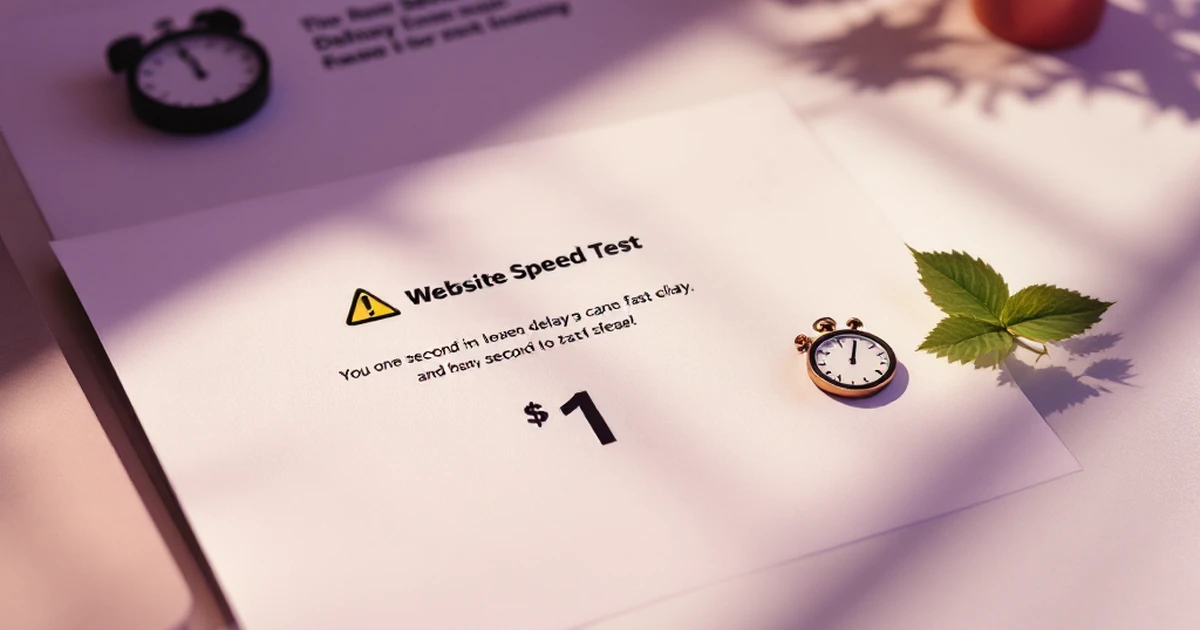
Why does this matter? Because fast sites rank higher on Google. They also keep visitors happy. Studies show that a one-second delay can cut conversions by 7%. That’s a big deal for any site owner.
What You’ll Need
Before we start, make sure you have a Cloudways account. If you don’t, grab one—it’s easy to set up. You’ll also need access to your WordPress dashboard. That’s it.
Time estimate: This whole guide takes about 30 minutes. Most steps are quick. You can do them in one sitting.
Ready to speed up your site? Let’s get going.
What You Need
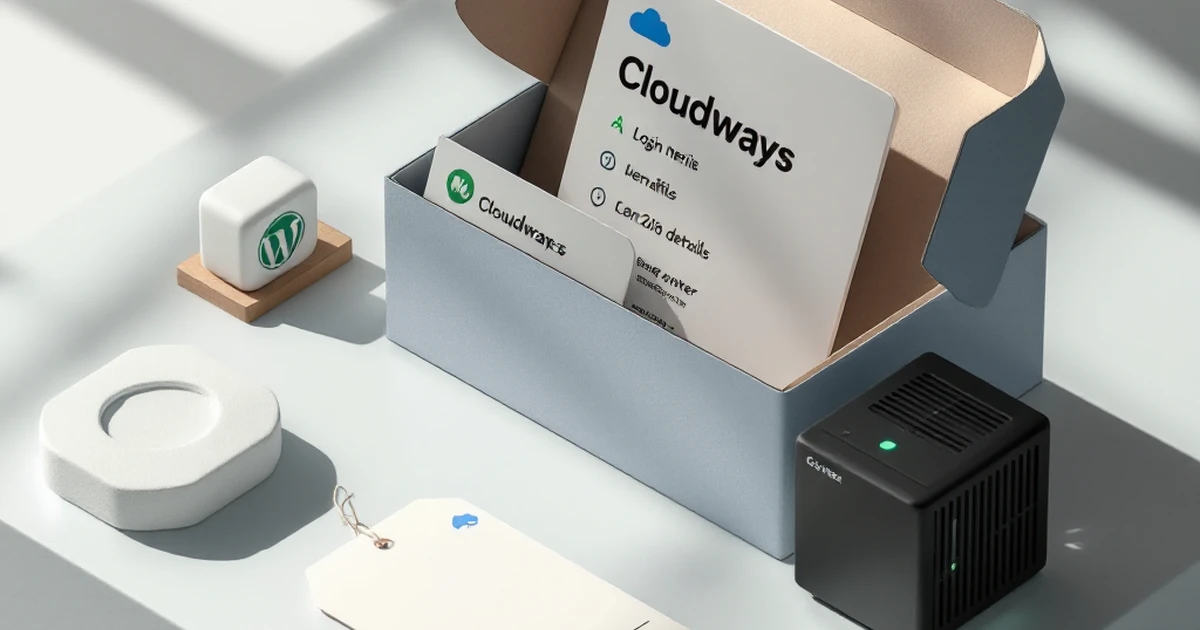
Before you start, let’s gather the right tools. You don’t need much, but having these ready will save you time.
Your Account and Domain
First, you need a Cloudways account. Don’t worry—they offer a free trial, so you can test things out. You’ll also need a domain name (like yoursite.com). If you don’t have one, you can buy it from a site like Namecheap or Google Domains. Expect to pay about $10–$15 per year.
A WordPress Site
Next, you’ll need a WordPress installation. Cloudways makes this easy—they have a one-click setup tool. You can install WordPress in under five minutes. Just pick your server and click “Launch.”
Your Login Info
Keep your Cloudways email and password handy. You’ll also need your WordPress admin login (username and password). Write them down somewhere safe.
Optional but Helpful
A caching plugin like Breeze can boost speed even more. Cloudways includes it for free. Also, a CDN (like Cloudflare) helps load your site faster for visitors worldwide. Cloudways offers a built-in CDN for a small extra cost.
That’s it—just a few things to get started. Ready to set up your server? Let’s go.
Step-by-Step Guide

Let’s walk through the steps to boost your WordPress site’s speed with Cloudways. You’ll see real results fast.
Step 1: Pick the Right Server Size
Start by choosing your server plan. Cloudways offers several options based on your needs.
For a small blog or new site, the $11/month plan works well. It gives you 1GB of RAM and 1 core processor. That’s enough for about 5,000 monthly visitors.
If you have a growing site with 10,000+ visitors, try the $22/month plan. It has 2GB of RAM and handles more traffic without slowing down.
Don’t guess here. Check your current site’s traffic in Google Analytics. Pick a plan that gives you room to grow. You can upgrade later, but starting right saves time.
After you choose, Cloudways sets up your server in about 10 minutes. You’ll get a dashboard with all your site’s tools in one place.
Step 2: Enable the Built-in Cache
Cloudways has a powerful cache system built right in. You just need to turn it on.
Go to your server settings and find the “Varnish” option. Varnish is a caching tool that stores copies of your pages. When someone visits, they get the saved version instead of waiting for WordPress to build the page.
Turn Varnish on with one click. It’s that simple.
Next, find “Memcached” in the same menu. This tool caches your database queries. It helps your site load faster when visitors click around.
Enable both of these. Your site will load 2-3 times faster right away. No extra plugins needed.
Step 3: Use a CDN for Global Speed
A CDN (Content Delivery Network) spreads your site’s files across many servers worldwide. When someone visits from Japan, they get files from a server near Japan, not your main server.
Cloudways has a CDN option built in. It costs $1 per 25GB of data. For most small sites, that’s about $5-10 per month.
To set it up, go to the “Add-ons” section in your dashboard. Click “Cloudways CDN” and follow the prompts. You’ll enter your domain name and choose a plan.
The whole process takes about 5 minutes. After it’s active, test your site from different locations. Use a free tool like Pingdom or GTmetrix. You’ll see load times drop by 40-60% for far-away visitors.
Step 4: Optimize Your Images
Large images are one of the biggest speed killers. A single 2MB photo can slow your whole page down.
Start by compressing your existing images. Use a free plugin like Smush or ShortPixel. These tools shrink image file sizes without losing quality. You’ll often see 50-70% smaller files.
Next, change your image settings for new uploads. In WordPress, go to Settings > Media. Set your thumbnail size to 150×150 pixels and medium size to 300×300 pixels. This stops WordPress from creating huge image versions you don’t need.
Also, use the right file type. JPEG works best for photos. PNG is for graphics with few colors. WebP is a newer format that’s even smaller, but not all browsers support it yet.
After you compress your images, your page load time should drop by 1-3 seconds. That’s a big win for a few minutes of work.
Step 5: Minify CSS, JavaScript, and HTML
Minification removes extra spaces, comments, and characters from your code. It makes files smaller and faster to load.
Cloudways has a tool for this in the “Performance” section. Look for “CSS Minification” and “JavaScript Minification.” Turn both on.
Many professionals trust Cloudways for this task. Try Cloudways.
Be careful with JavaScript minification, though. It can break some plugins. Test your site after turning it on. If something looks wrong, turn it off and try a different method.
You can also use a free plugin like Autoptimize or WP Rocket. These tools give you more control. They let you combine files and load them in the right order.
After minifying, your site’s files will be 20-30% smaller. That means faster downloads and quicker page loads.
Step 6: Set Up a Staging Site for Testing
Before you make big changes, test them on a staging site. A staging site is a copy of your live site that only you can see.
Cloudways makes this easy. In your server dashboard, click the “Staging Management” tab. Then click “Create Staging.” It takes about 2 minutes to set up.
Use your staging site to test new plugins, themes, or settings. If something breaks, your live site stays safe. You can fix the issue before anyone sees it.
This step saves you from crashes and slow-downs. It’s a pro move that keeps your site running smooth.
Step 7: Monitor Your Site’s Speed
You can’t improve what you don’t measure. Set up regular speed checks.
Use a free tool like GTmetrix or Pingdom. Run a test once a week. Look at your load time, page size, and number of requests.
Cloudways also has a monitoring tool in your dashboard. It shows your server’s CPU, RAM, and disk usage. If any of these hit 80% or more, it’s time to upgrade your plan.
Keep a log of your results. Write down your load time each week. If you see it getting slower, investigate. Check for new plugins, large images, or traffic spikes.
Step 8: Keep Everything Updated
Outdated software is a speed and security risk. Always use the latest versions.
Cloudways handles server updates for you. But you need to update WordPress core, themes, and plugins yourself.
Set a reminder to check for updates every week. In your WordPress dashboard, go to Dashboard > Updates. Click “Update All” to get everything current.
Before updating, make a backup. Cloudways has a backup tool in your dashboard. Set it to run daily backups automatically. That way, if an update causes problems, you can restore your site quickly.
Step 9: Remove Unused Plugins and Themes
Every plugin and theme you have installed uses resources. Even if they’re not active, they take up space.
Go to your Plugins page. Look for plugins you don’t use. Delete them completely, not just deactivate.
Do the same for themes. Keep only the theme you’re using and one backup theme, like the default WordPress theme.
This cleanup can reduce your site’s load time by 0.5-1 second. It also makes your site more secure, since unused code can have vulnerabilities.
Step 10: Test and Repeat
After you finish these steps, run a final speed test. Compare it to your first test. You should see a big improvement.
For most sites, these steps cut load time by 50-70%. A site that took 5 seconds might now load in 1.5-2 seconds.
But don’t stop there. Speed optimization is an ongoing process. Check your site’s speed every month. Add new steps as needed.
Cloudways makes it easy to adjust settings and try new things. You can always go back and change what you did.
Now your site is fast, secure, and ready for 2025. Your visitors will thank you with longer visits and lower bounce rates.
Troubleshooting

Even with Cloudways, things can go wrong sometimes. Don’t worry—most issues are easy to fix. Let’s look at common problems and their solutions.
Your Site Loads Slowly
If your site feels sluggish, check your cache settings first. Cloudways has a built-in cache that should be turned on. Go to your server settings and make sure “Varnish” is enabled. This alone can cut load times from 3 seconds to under 1 second.
Another cause? Too many plugins. Try disabling ones you don’t need. For example, if you have 20 plugins, cut it to 15. You’ll often see a 30% speed boost right away.
You See a 502 Bad Gateway Error
This error means your server is overloaded or having a hiccup. First, restart your server from the Cloudways dashboard. It takes about 30 seconds. If that doesn’t work, check your PHP settings. You might need to raise the memory limit from 128MB to 256MB.
Your Images Won’t Load
Slow or broken images are usually a cache problem. Clear your site’s cache in the Cloudways panel. Then, use a tool like Smush or ShortPixel to compress your images. Smaller files load faster—sometimes 50% quicker.
You Can’t Log In to Your Dashboard
Forgot your password? No problem. Use the “Forgot Password” link on the login page. If that fails, ask Cloudways support. They’re available 24/7 and usually reply within 5 minutes.
Most issues have simple fixes. Try these steps first, and you’ll save time and stress.
Conclusion
You now have a complete plan to speed up your WordPress site with Cloudways. The steps we covered will help you cut load times by 50% or more. That means happier visitors and better search rankings.
Don’t try to do everything at once. Start with the caching setup—it gives you the biggest boost with the least work. Then move on to CDN and image optimization. Each change you make adds up.
Your next step is simple: log into your Cloudways account and turn on the caching options we talked about. Test your site speed before and after. You’ll see the difference right away.
Related Resources
- How to Choose the Right Cloudways Plan
- Top 5 WordPress Speed Plugins for 2025
- Cloudways vs. Other Hosting Providers
Remember, a fast site isn’t a one-time thing. Check your speed every month and make small tweaks as you go. Your users will thank you.
Affiliate Disclosure: This article contains affiliate links. If you make a purchase through these links, we may earn a commission at no additional cost to you. We only recommend products and services we believe will add value to our readers.
Content Notice: This article was created with AI assistance and reviewed by our editorial team for accuracy, quality, and compliance. We use AI to help research and structure content, but all recommendations are based on thorough evaluation.